
Stuck between surgery and rehab after a proximal hamstring avulsion?
Informed decision-making under uncertainty.
A structured educational session on “surgery vs conservative after proximal hamstring avulsion” that uses your imaging, sport demands, and goals to provide an understanding and decision-support going through typical options, supporting you with shared-decision making.
45‑minute structured call + written summary for you and your team.
Disclaimer: An online-consultation does not replace an in-person medical treatment.
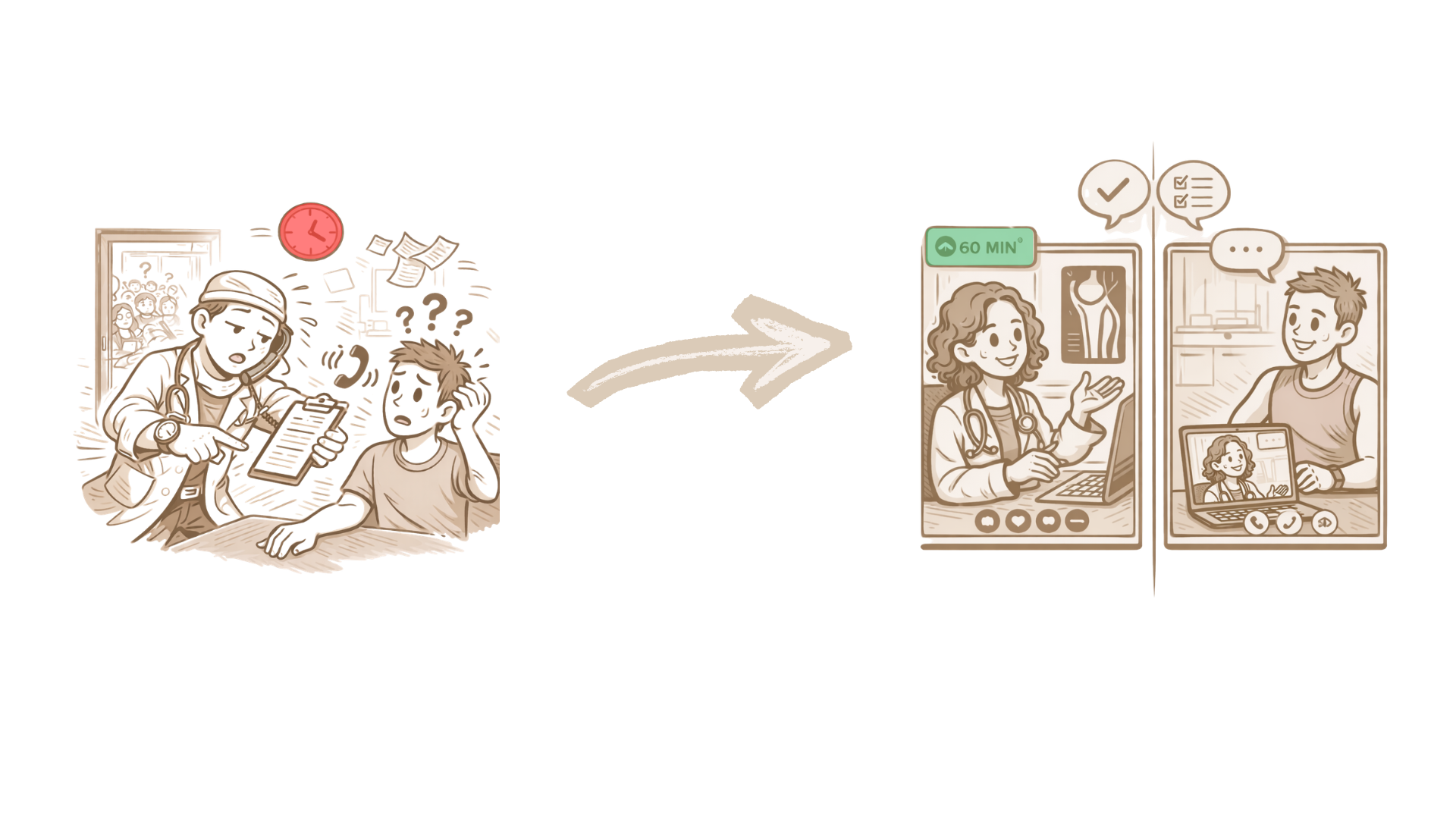
Who This Is For
HSCA is for active people and serious athletes with suspected or confirmed proximal hamstring rupture / avulsion who:
Have been told they might need surgery and feel stuck between hamstring avulsion surgery vs conservative treatment
Have already received different opinions and are scared of choosing a path they may regret later
Feel time pressure from season, age, contracts, personal endeauvers or career and know this is a career‑shaping decision
Want a calm, structured online second opinion for proximal hamstring avulsion from an orthopaedic physician with sports focus who also understands high‑level sport from the inside
What people say after HSCA
“For anyone struggling with proximal hamstring injury and finding decision support like I was, I highly recommend you get in touch with Luise Weinrich, she will really help you decide whats best for you. She will go very in-depth with you, a lot more than surgeon's, physio, consultant etc. After a very thorough questionnaire via email, we have just had over 1 hour video call going through everything. As well as a very detailed written report. Excellent service.”
M.E., Professional Sprinter
When HSCA Is Not the Right Fit
Emergency symptoms
If you have fever, severe or rapidly worsening pain, new bladder/bowel problems, sudden major weakness, or recent major trauma, you need urgent in‑person care, not an online consult.
Prescriptions, sick notes, legal reports, primary care
HSCA cannot provide medications, sick leave certificates, legal documents, or ongoing primary care. Those must come from a local clinician who knows you in person.
Wanting someone to overrule your team
HSCA is second‑opinion and decision‑support, not a replacement for your surgeon or physio and not there to “overrule” them. It helps you understand your options so you can decide together with your own team.
Core Promise
In HSCA, you receive a structured, hamstring‑specific remote orthopaedic assessment that:
Explains what your MRI, report wording, and symptoms actually mean in practice for your sport, level, and rough recovery horizon
Provides a clear, understandable written medical opinion: e.g. “surgery is strongly favoured now”, or “a structured conservative trial is reasonable first, with possible surgery later” - together with the reasoning and confidence level
Clarifies real trade‑offs such as:
Surgery risk vs waiting risk
Early movement vs maximum protection
What a sensible “wait and see” would look like (not just time, but criteria and review points)
Gives you better language and questions for upcoming conversations with surgeons, physios, coaches, employers, and family

How It Works And What You Get
Hamstring Surgery Clarity Audit
01
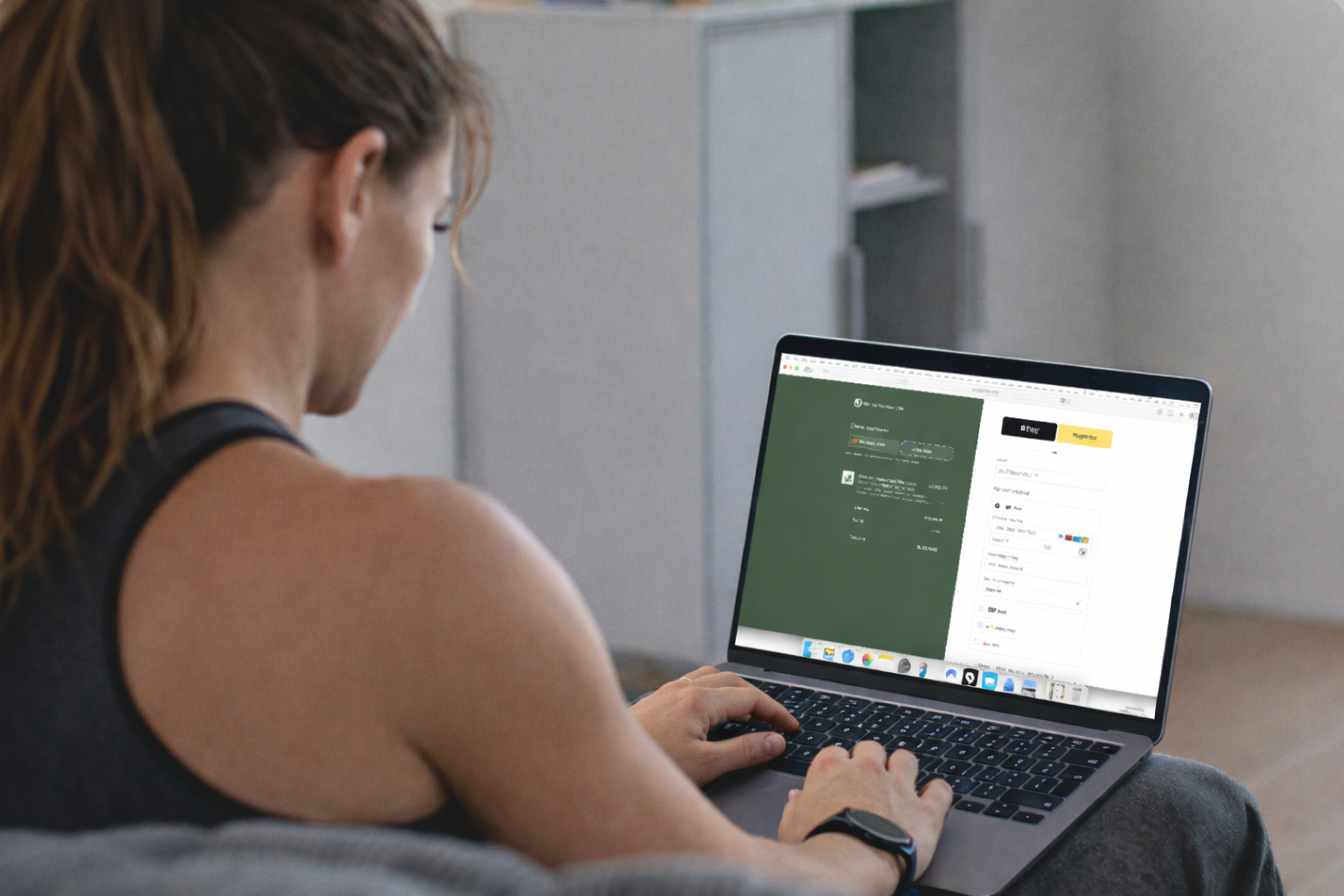
Book & Intake
You book the Hamstring Surgery Clarity Audit (HSCA), preschedule your all and move to a detailed intake (requires a free Gmail account for secure uploads; can be deleted afterward).
There you submit:
A structured-questionnaire
Your MRI images and/or radiology report, operative notes or clinic letters, if available
A few simple, safe movement videos (no “testing” / efforts)
You pay and secure your spot first, then complete the intake. No form = no call = full refund.
02
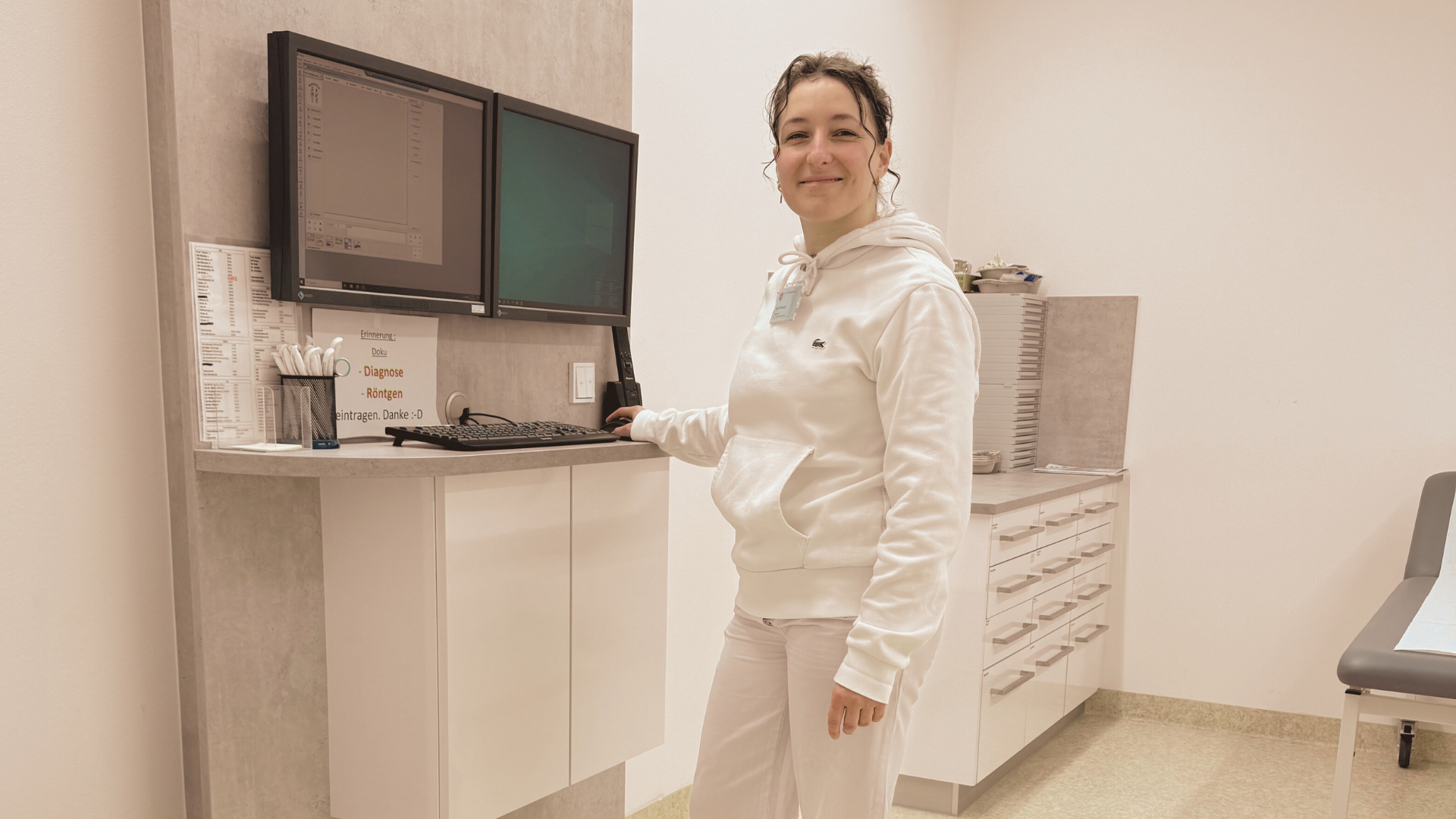
24 hour Triage
Within 24 hours, I:
Screen for red flags
Confirm that a remote orthopaedic second opinion is appropriate in your situation
If it is not appropriate (e.g. emergency symptoms, another body region, missing essentials), I explain why, give general recommendations, retain a small portion of the fee for review work, and refund the majority.
03
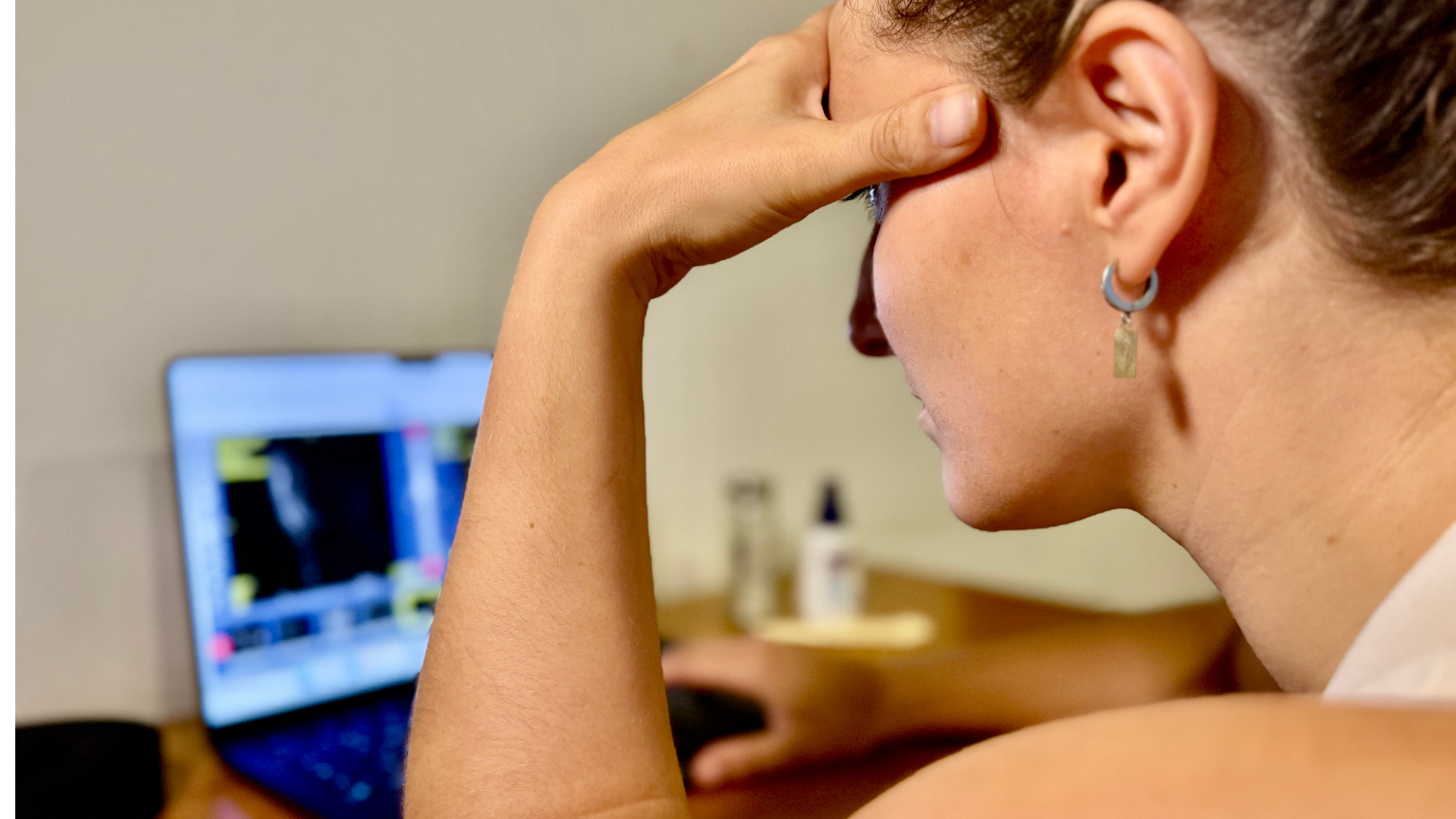
Structured Intake (Imaging & Case Review)
I review your case using a fixed set of hamstring‑specific decision questions:
Which tendons are involved and how? (complete vs partial proximal hamstring avulsion)
How far have they retracted?
Acute vs chronic timing
Apparent tissue quality (within the limits of imaging)
Additional, personal factors
Your current pain, function, and response to rehab so far
Your sport, position, and calendar (season, age, contracts, scholarships)
Your goals and risk tolerance

04
Draft Second-Opinion-Report (within ~5 business days)
In plain language, you receive a structured PDF that covers:
What your imaging actually shows (tendons, retraction, acute vs chronic)
How this pattern often behaves in athletes of your sport, age, and level
My medical opinion on:
Whether surgery is strongly favoured now
Whether a conservative trial is reasonable first
Whether delayed surgery remains an option later
The reasoning and confidence level behind that opinion
Specific questions and phrases you can use in your next appointments (with surgeons, physios, or team staff)
05
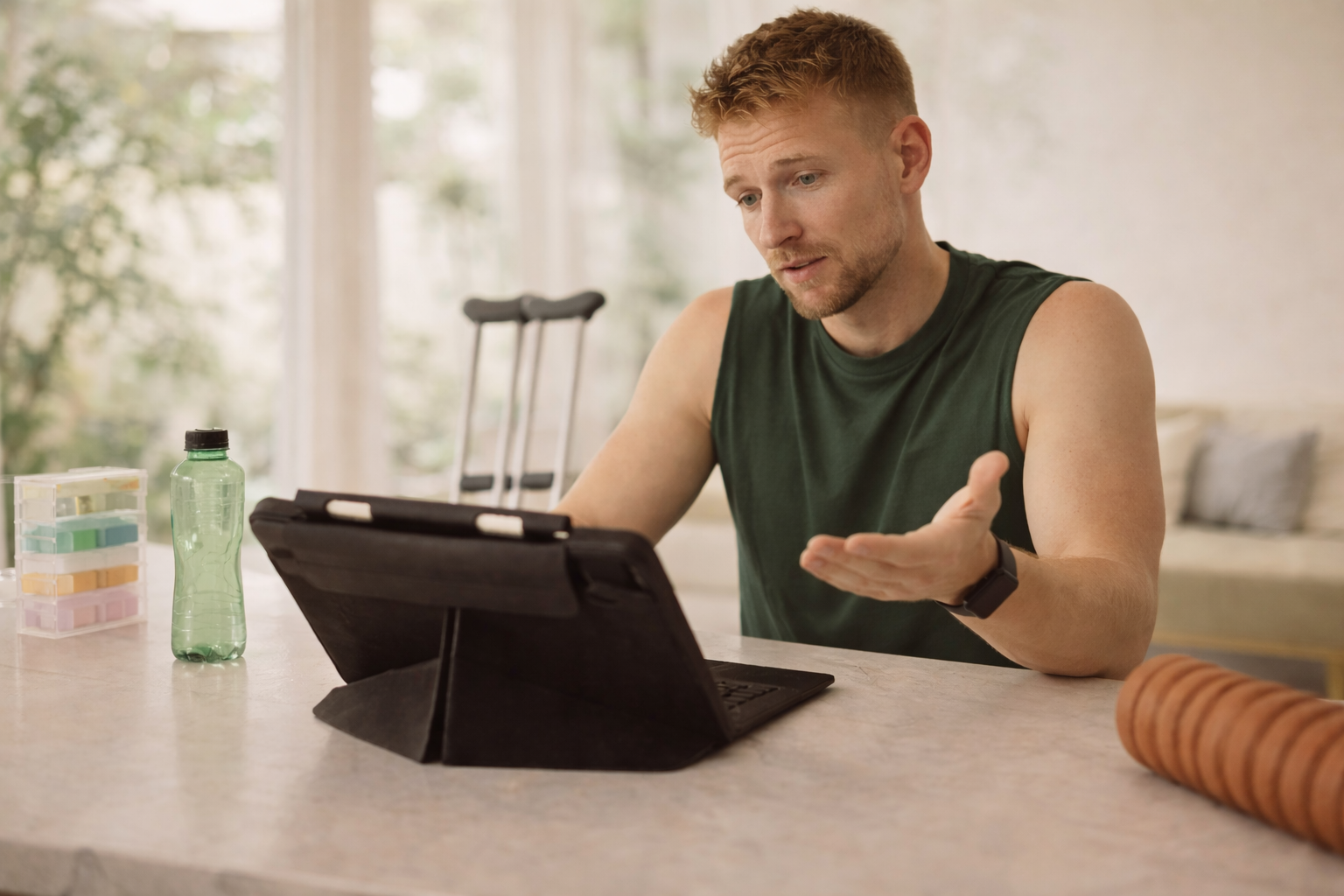
45-Minute Video Call
We meet via secure video for ~45 minutes. We walk through the report step by step, without being rushed.
You ask your questions and we clarify:
Trade‑offs like brace vs no brace, early movement vs maximum protection
Timing vs career window in your specific context
How “wait and see” might safely look if that is on the table
We align the opinion with your real‑life constraints, fears, and priorities, so it’s not just theoretical.
06
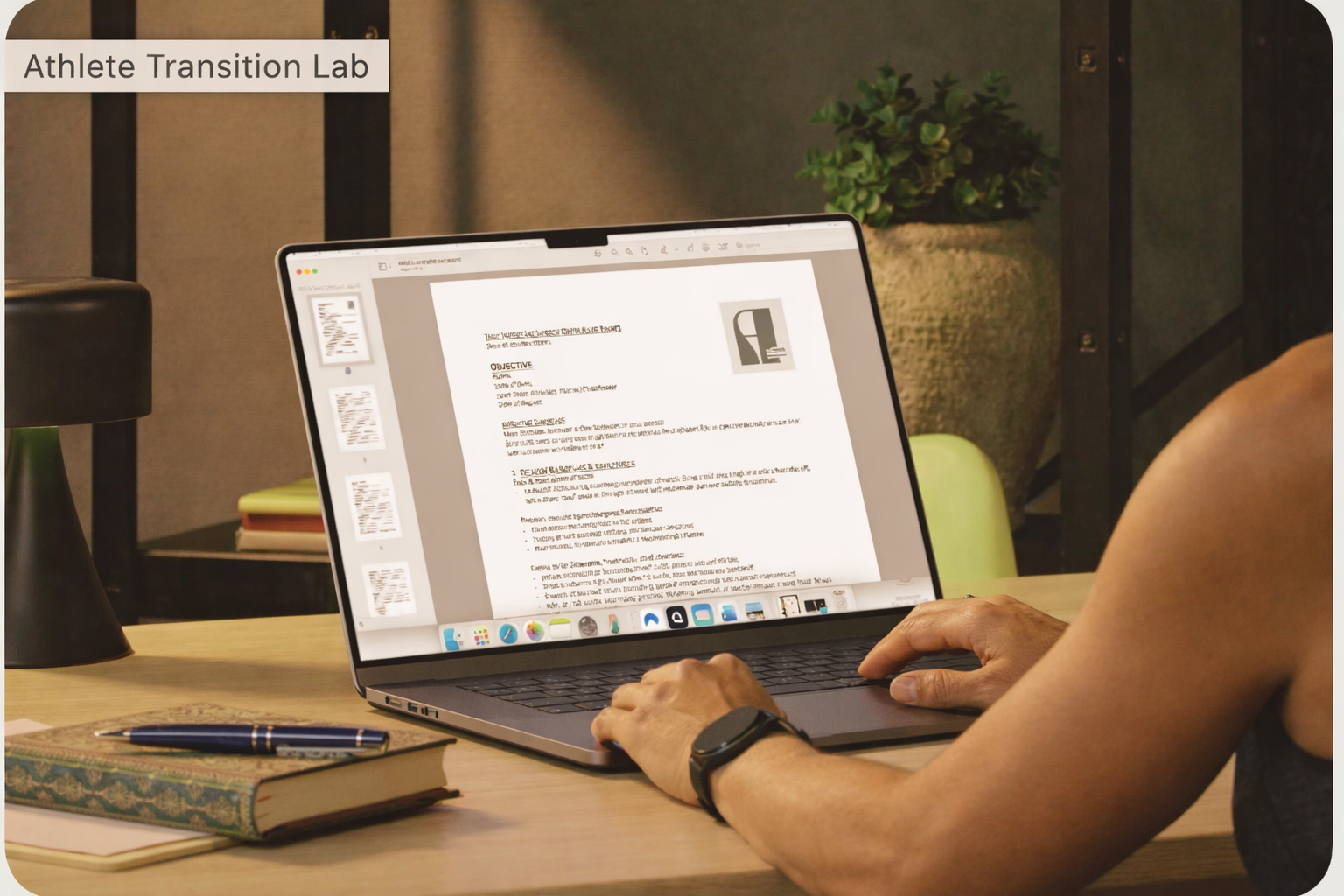
Final report + 7-Day-Follow-up
You receive a finalized PDF report you can share with:
Your surgeon
Your physio
Coach or S&C coach
Employer or school
Family, if helpful
Within 7 days of the final report, you may send one follow‑up email round to clarify points that arise after.
07
Bonuses
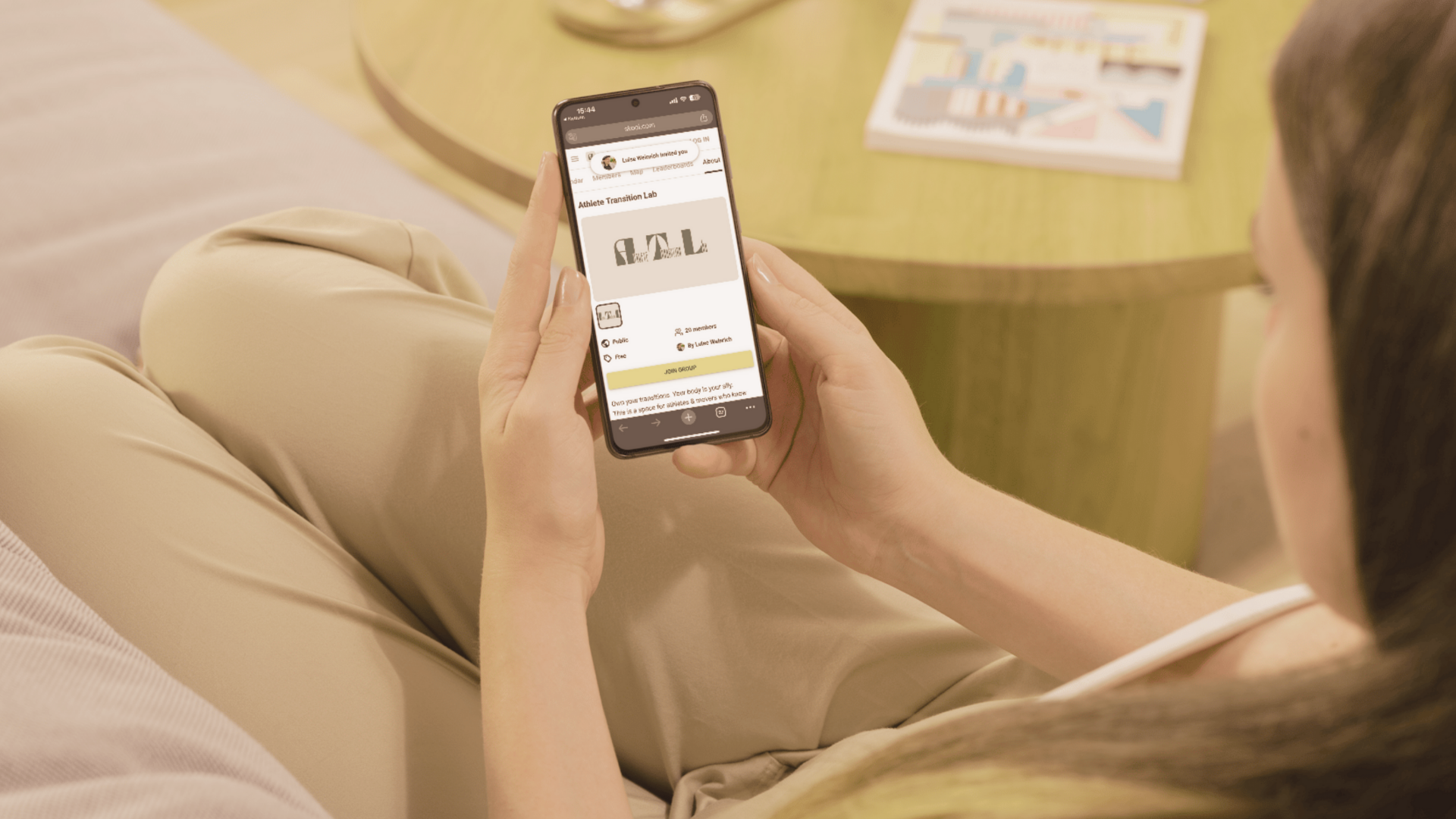
You get an invitation to the free Athlete Transition Lab Community, a peer‑support space for athletes with hamstring avulsions.
You can see how others navigated similar surgery‑vs‑rehab decisions, which can reduce isolation while you move forward with your local care
Additionally, if surgical lane is chosen, you get a free Surgery-Preparation and Communication Toolkit to prepare before surgery or a Rehab-Roadmap Overview for the next 12 weeks, so you know, how to treat your tendon and when to reevaluate.
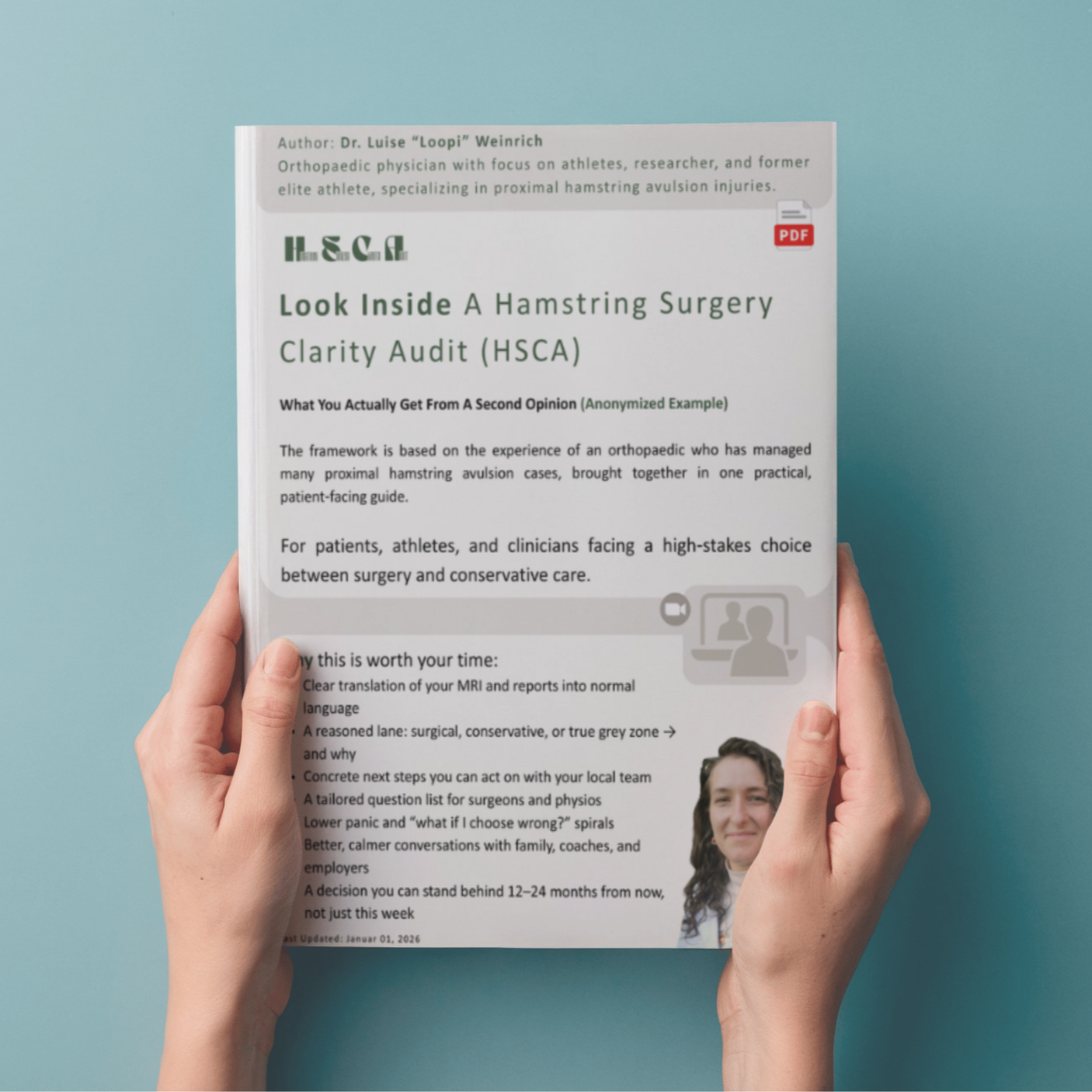
The Second Opinion That Ended 6 Months of Confusion (Real Hamstring Case Example)
“Inside a Hamstring Surgery Clarity Audit” - a free, anonymized, and simplified example report, as well as why it can help you and the people around you.
Why this is worth your time:
Clear translation of your MRI and reports into normal language
A reasoned lane: surgical, conservative, or true grey zone → and why
Concrete next steps you can act on with your local team
A tailored question list for surgeons and physios
Lower panic and “what if I choose wrong?” spirals
Better, calmer conversations with family, coaches, and employers
A decision you can stand behind 12–24 months from now, not just this week
Your body is your ally.
Get clarity on how to look after it.
What Makes This Different
-
Built for the grey zone
HSCA exists specifically for high‑stakes “surgery vs conservative” hamstring decisions, not generic second opinions on everything.
-
Imaging translated into decisions
Instead of leaving you with a scary report and no map, we connect tendon pattern, retraction, timing, sport demands, and rehab history to practical options.
-
Neutral and decision‑focused
HSCA is not trying to fill an operating list or sell you into a rehab package. The “product” is the decision process itself.
-
Integrates the whole system
Surgeons focus on tissue, physios on rehab, coaches on dates. HSCA acts as a decision checkpoint that integrates all those viewpoints into one clear narrative.
-
Removes unnecessary uncertainty
We can’t remove all risk. We can remove confusion from Google/AI/forums, unexplained MRI jargon, and “wait and see” without structure or review points.
-
Orthopaedic specialist brain
Your case is reviewed through a calm, structured medical lens, with a real understanding of what this decision means when sport isn’t “just a hobby.”
Why Google and AI Are Not Enough For This Decision
AI and search tools are helpful for overviews, but often miss key decision factors for proximal hamstring avulsions.
This published study on ChatGPT and hamstring FAQs showed only a minority of answers were complete.
HSCA is designed to sit on top of that information and help you and your local team think through the full picture.

-
Beyond the MRI and the operating room, most athletes with a proximal hamstring avulsion wrestle with:
Loneliness and isolation away from team and training
Fear of losing their place in the team and friendships
Feeling like a burden to family or partner
Guilt for being “helpless” or not contributing
Worry about weight gain, muscle loss, or “losing their body”
Anger at their body and loss of athlete identity
Anxiety about re‑tear, leading to under‑doing rehab
Or the opposite: doing too much too early out of fear of getting out of shape
Unstructured rehab and generic advice often:
Make it unclear whether you’re doing too much or too little
Feed analysis paralysis and motivation loss
Leave you wondering if you’re wasting time on the wrong path
Underneath that, the biggest fears are usually:
“Will I ever be the same athlete again?”
“Is this my new permanent state?”
HSCA, together with UPHAG, PHAP, OYHR, and the community, exists so you can say:
“We can’t remove all uncertainty. But we can remove a lot of the unnecessary uncertainty – the guessing, the misinformation, and the feeling of being alone with it.”
-
You book and pay to secure your slot, then complete a Google Forms questionnaire
(A free Gmail account is needed for uploads; it can be deleted afterwards if you wish)
Intake and triage occur within 24 hours of receiving your form and imaging
A draft report is prepared within 5 business days after all materials are complete
(If essential documents are missing, we may need a second round of uploads, which can extend this window)
The live video call is scheduled as soon as possible around that window, based on mutual availability
Your follow‑up email window lasts 7 days after delivery of the final report
After that, HSCA is complete. Ongoing rehab support happens with your local team or, if appropriate, in structures like Own Your Hamstring Recovery (OYHR).
HSCA is not an emergency service and does not replace local medical care
To join HSCA, you must:
Have (or be able to obtain) your MRI data and radiology report
Have access to local medical care for in‑person examination and urgent needs
Be willing to complete the intake honestly, upload documents, and attend the call
If you do not want to create a Gmail account, you can email: contact@athletetransitionlab.com after payment to arrange an alternativeDoes not diagnose, treat, or provide prescriptions or sick notes.
-
If, after reviewing your intake and imaging, I cannot safely or meaningfully provide a remote second opinion, I will:
Explain why
Offer general recommendations
Refund the majority of your HSCA fee, keeping a small portion for review work
Final diagnosis and treatment decisions always remain with you and your local treating team. HSCA is there to improve the quality of that decision, not to override it.
If, for reasons on my side, I fail to deliver any of the agreed HSCA services, I will offer an individual partial refund of the audit fee.
-
HSCA is a standalone paid telemedical second‑opinion product, founding price currently 450€
If you later join Own Your Hamstring Recovery (OYHR) within 30 days of your HSCA call, 50% of your HSCA fee is credited toward the OYHR fee
HSCA remains complete on its own; the credit simply lowers the barrier if moving into a structured rehab framework is the right next step
If this is how you want to think through your case, click below.
450€
Effort & Sacrifice - What You Actually Have to Do
Fill out the intake form with full, honest details
Upload your MRI or radiology report and any relevant operative notes
Record and upload a few simple, safe movement videos as instructed (no maximal testing)
Attend one focused 45‑minute call, present and willing to discuss fears and goals
Take the report back to your team and use it to have a better, calmer conversation about next steps
Why is this often less effort than the alternative
Without HSCA, the common pattern is:
Endless Googling and reading conflicting blogs, forums, and AI answers
Short, rushed appointments where key questions are forgotten and confusion grows
Being told to “wait and see” without recognising what “waiting” means or when to reassess
Weeks of “What if I ruin my career either way?” running on loop
Compared to that, one structured intake, one deep review, and one 45‑minute call that produces a clear written opinion is usually far less effort and emotional cost.
Frequently Asked Questions
-
You will receive a clear, reasoned recommendation with a confidence level, based on your imaging, history, sport, and goals. For many athletes, it’s the first time anyone has put all those pieces together. Final decisions always stay with you and your local team.
-
That can happen. HSCA is not about winning an argument with your doctor. It exists to explain why opinions might differ and to give you precise questions and language to bring to your next appointment so you understand, not just obey.
-
If there are red flags, missing essentials, or anything that makes a safe telemedical opinion impossible, I will:
Tell you clearly
Suggest appropriate next steps locally
Refund most of your fee, keeping a small amount for the review and recommendation work
-
No tool can give full certainty in complex, high‑stakes injuries. HSCA measures success in clarity and confidence in the decision process, not perfect prediction. The goal is that, years from now, you can look back and say, “Given what we knew, I made a strong, informed decision,” instead of “I panicked and guessed.”
-
We can find an individual solution (for example, email‑based questions and a different upload route for videos/reports). For most people, a free Gmail account (which can be deleted later) is the most secure and efficient way to handle documents, but communication can still run through your preferred usual email.
-
No, it supports your shared decision.